Free shipping from €40

motivo-diseño-gráfico-galleta-zanahoria-especiada-milola-gluten-free

One Table, Not Two

Cooking for someone with different dietary needs can feel limiting. Until you discover all the possibilities it opens up.

There are recipes we make almost without thinking.

We know which flour to use. How long a dough needs. Which ingredient adds moisture, which gives structure, which makes something crisp.

Or perhaps we know none of that. We just know the recipe works.

Until one day, someone sits down at our table and can’t eat one of those things.

Suddenly, the recipe we know no longer works as written.

We can see that as a problem.

Or we can get curious.

So what do we do now?

For someone who loves cooking, that question can be the beginning of something surprisingly fun.

For me, it certainly was.
When the usual answer stops working

Cooking involves a lot of repetition.

We learn a technique, a combination, a proportion. We discover that it works and add it to our repertoire.

But cooking is also about experimenting.

What happens if I change this?

What if I use that?

How can I get this texture another way?

What if, instead of trying to recreate the same recipe, I start again?

Creativity in the kitchen often begins when we can no longer do things the way we always have.

Because that’s when we have to look at ingredients again.

Not as a list to follow, but as a set of possibilities.

An almond stops being simply something we add to a cake and becomes moisture, fat, flavour and texture.

A seed can add crunch.

Oats can bring softness.

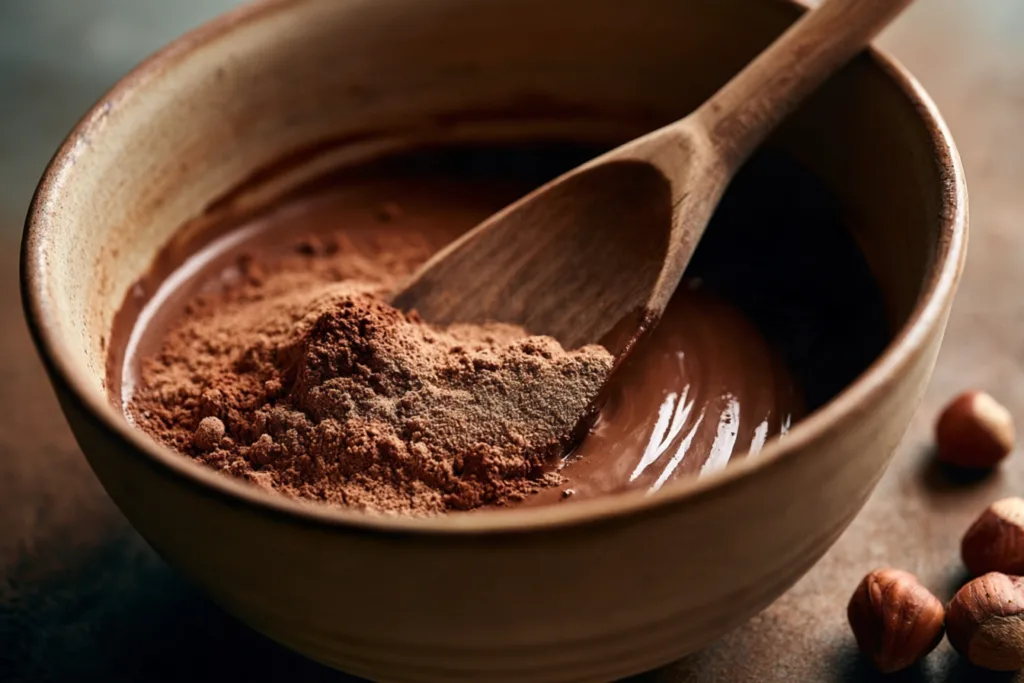
Teff can deepen the flavour of cocoa.

Buckwheat can add a depth of flavour that wasn’t there before.

And little by little, we stop asking only what we can take away.

We start asking what we can make.
This is how cooking has always worked

Cooking has never really been about having every possible ingredient at our disposal.

We cook with what we have.

With what grows nearby. What’s in season. What we can preserve. What we’ve learnt from the people who cooked before us.

So much of the way we cook came about in exactly this way.

Fermenting, drying, pickling, grinding, toasting, slow cooking. Finding ways to turn what was available into something extraordinary.

Cooking is full of creative responses to particular circumstances.

Not because a restriction is something to wish for.

And not because anyone who cooks is obliged to turn it into an adventure.

Simply because, when we love cooking, being faced with a new question can awaken something we know very well:

the urge to experiment.

And then new ingredients find their way into our kitchens

Perhaps we buy chickpea, teff, millet or sorghum flour for the first time.

Or we discover what happens when we toast hazelnuts before adding them to the dough.

We begin to understand that two flours that seemed interchangeable can behave in completely different ways.

We discover that a particular texture doesn’t necessarily depend on a single ingredient.

We try. We get it wrong. We change the proportions. We try again.

And sometimes something even more interesting happens.

The recipe we only made because someone couldn’t eat the original turns out to be the one we prefer.

It isn’t a copy.

It isn’t the special version.

We don’t need to explain what’s missing before we serve it.
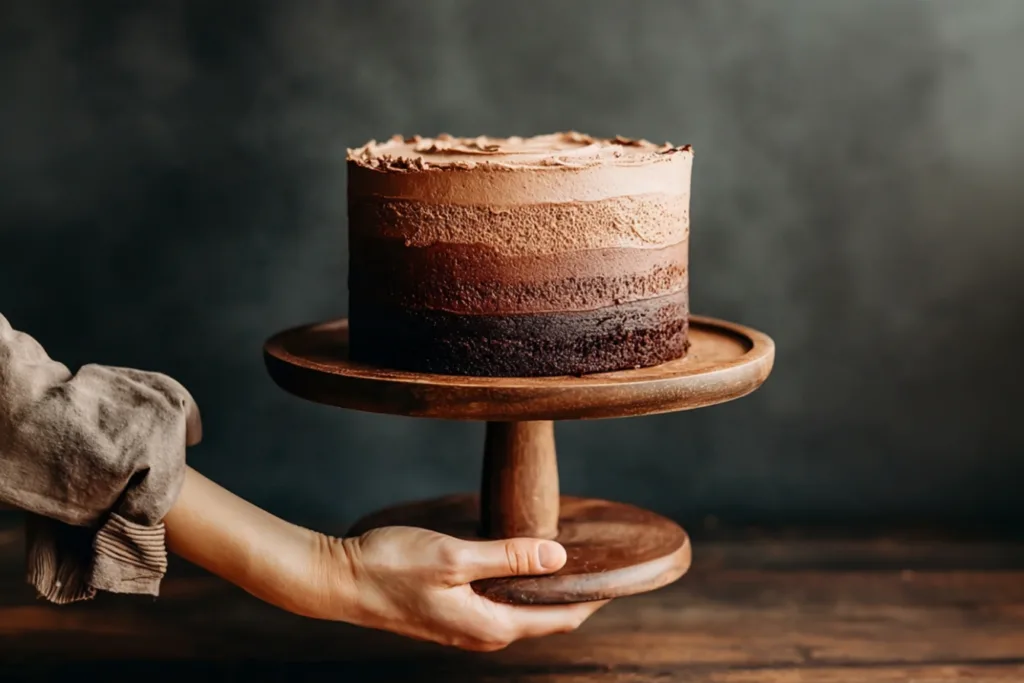
It’s simply a recipe worth keeping.

Some discoveries are meant to be shared

There are eight of us around a table. One person can’t eat gluten.

We can make the usual dessert and find a second option for them. Sometimes that will be the best solution. And that’s absolutely fine.

But we can also ask a different question:

What if we made one extraordinary dessert that all eight of us could share?

Not one that’s good for gluten-free.

Not one whose main achievement is that everyone can eat it.

One we would put in the middle of the table even if nobody had any dietary restrictions at all.

Because it’s delicious.

That small shift completely changes where we begin.

We’re no longer thinking about what we need to make for that person.

We’re thinking about what all of us would like to eat.

One table, not two

There’s a cake in the middle.

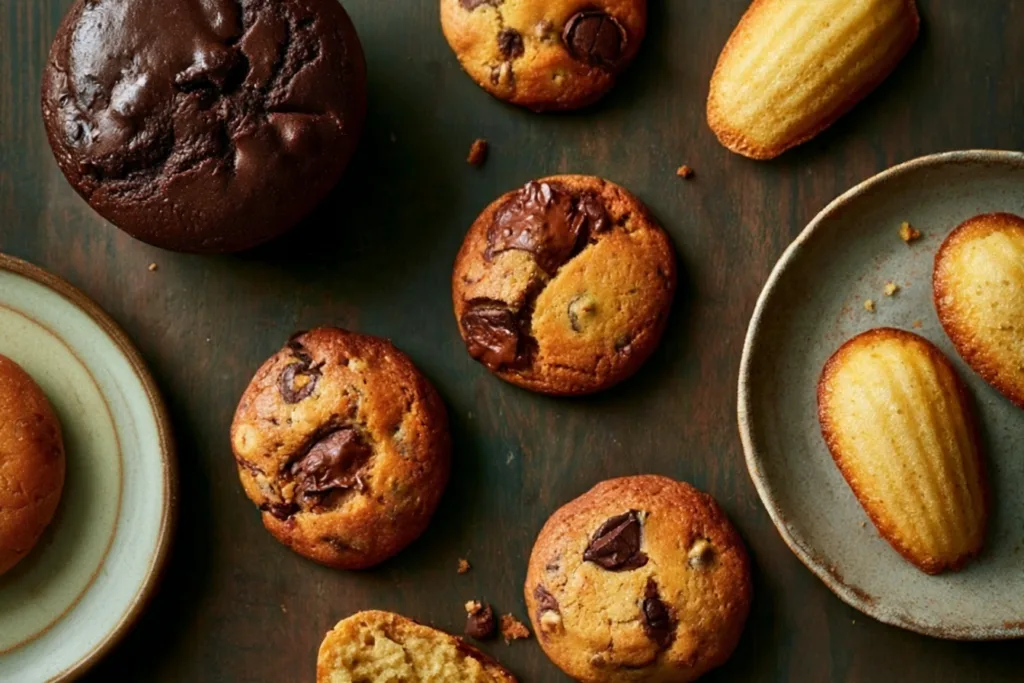
Or some biscuits.

Or a loaf of bread.

Someone cuts a slice. Someone else takes a piece. Someone asks if there’s any left.

Nobody asks which one is theirs.

There isn’t one thing for everyone and something else set aside.

There’s just food.

One table, not two.

It won’t always be possible, and it doesn’t have to be. Sometimes making different things is simply the most sensible thing to do.

Generosity isn’t about turning every meal into an exercise in perfection.

But when we cook in a way that allows more people to share the same thing, something lovely happens.

And not only for the person who might otherwise have needed a separate option.
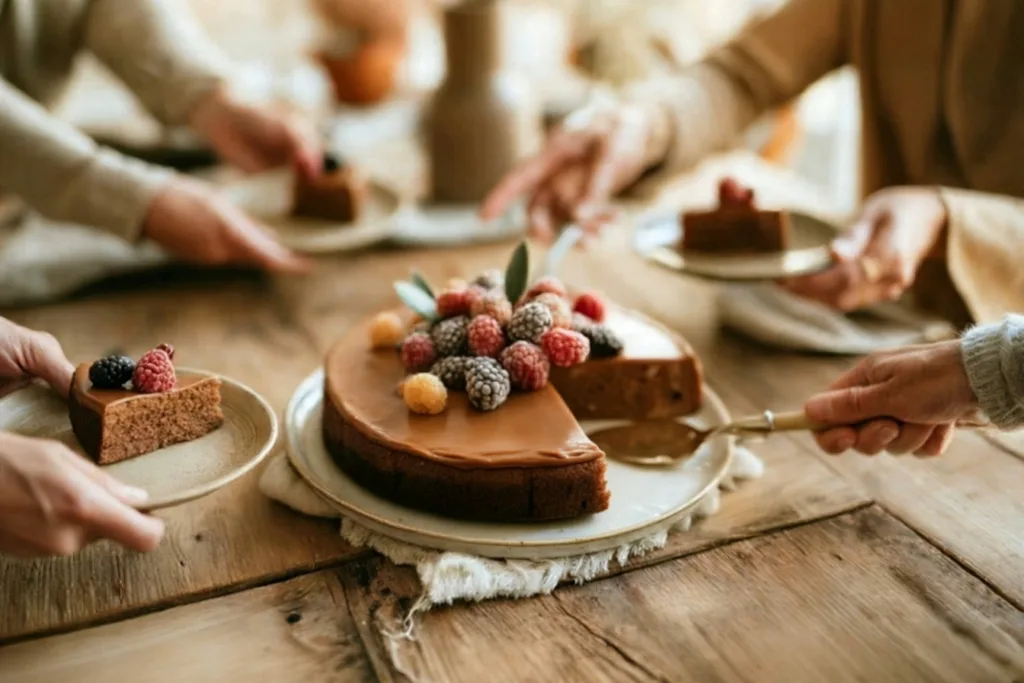
The table becomes more interesting for everyone.

Cooking for more people can expand our repertoire

Perhaps that’s the paradox.

At first, it feels as though we have fewer possibilities.

An ingredient disappears. A familiar recipe no longer works. One door closes.

But then we start looking, and others open.

Ingredients we didn’t know.
Techniques we’d never tried.
Flavours we’d never combined.
Recipes we probably would never have made.

And suddenly, instead of having fewer options, we have more.

In Not Everything Has to Be Wheat, we explored what happens when we stop seeing other ingredients simply as substitutes. Perhaps limitations can work in much the same way.

Sometimes, cooking for someone else takes us somewhere we wouldn’t have gone on our own.

And that’s where the discoveries begin.

Because perhaps one of the loveliest things about cooking is precisely this:
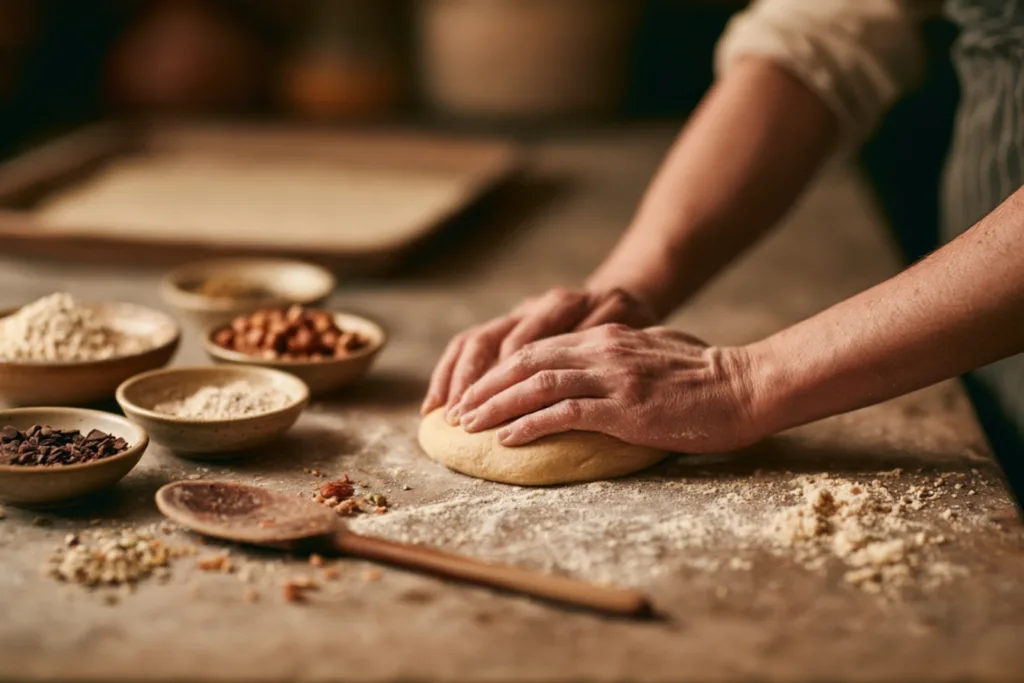
thinking we’re looking for a solution and finding a new possibility instead.

Join our community of cooking enthusiasts!

Are you passionate about cooking and want to discover delicious, healthy new recipes? Subscribe to our newsletter and receive the following directly in your inbox:

  • Exclusive, easy-to-follow recipes

  • Culinary tips and tricks

  • Fresh and nutritious ingredients

  • Inspiration for your everyday meals

  • Discounts and special promotions

Don’t miss the chance to take your culinary skills to the next level! Subscribe now and start enjoying healthier, tastier cooking.

You have successfully subscribed! Oops! Something went wrong. Please try again.
Picture of Welcome!

Welcome!

Hello, I’m Manuela Saavedra, founder of Milola Gluten Free. I am delighted to welcome you to this space dedicated to all cooking enthusiasts who, like me, are looking for a healthier, more natural way of eating.

All posts
logo-milola-gluten-free-con-fondo-transparentes-y-letras-doradas

-10%

UNLOCK A 10% DISCOUNT ON YOUR FIRST PURCHASE!

Enter your email address to receive the discount coupon in your inbox right away. You'll also receive exclusive offers and content available only to subscribers.

You have successfully subscribed! ¡Oops! Something has gone wrong, please try again.