Living without wheat can be a necessity. Discovering everything else can be an opportunity.
For centuries, we’ve treated one possibility as though it were the only one.
Wheat has shaped some of the foods we love most: bread, pasta, cakes, biscuits.
It is deeply woven into our food culture, our kitchens and the way we think about what we eat.
So much so that we’ve come to see it as the natural starting point, almost without asking why.
And yet, there has always been so much more.
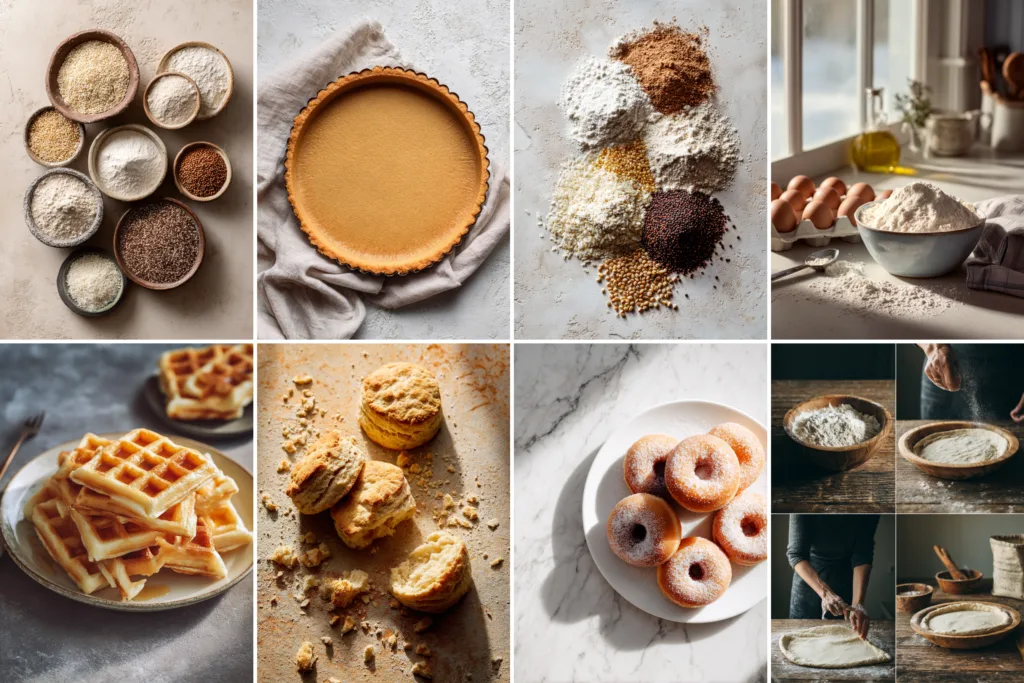
Almonds, hazelnuts, oats, rice, corn, buckwheat, millet, quinoa, sorghum, teff, tapioca, potatoes, seeds, pulses.
Ingredients with flavours, textures and possibilities of their own. They don’t need to resemble wheat to earn their place in our kitchens.
Perhaps we just needed to start looking at them differently.
When everything else becomes an alternative
There’s something curious about the way we talk about ingredients.
We talk about almond flour instead of wheat flour. Oats instead of wheat. Buckwheat as a substitute for wheat.
Almost without noticing, we’ve created a hierarchy.
First comes the ingredient we consider normal.
Then comes everything else.
The substitutes. The alternatives. The versions made for people who can’t eat the usual thing.
But an almond was never meant to replace a grain of wheat.
Neither were oats. Or rice. Or corn. Or hazelnuts.
Each has its own flavour, its own texture and its own way of behaving in the kitchen.
Perhaps we start losing possibilities precisely when we ask them to be something else.
Cooking with what’s there, not what’s missing
When we have to remove an ingredient from a recipe, our first instinct is often to recreate exactly what we had before.
How do I make this cake without wheat?
How do I get the texture I want from this biscuit?
How do I replace what’s missing?
It’s understandable. And often necessary.
But it doesn’t have to be the end of the creative process.
Because once we’ve asked how to replace it, we can ask a much more interesting question:
What can I create with these ingredients that I couldn’t create in quite the same way with wheat?
Almonds bring moisture, density and an almost buttery richness.
Hazelnuts add depth and an unmistakable toasted flavour.
Oats can bring softness and a comforting texture.
Corn has sweetness, character and an identity all its own.
Buckwheat — which, despite its name, isn’t wheat at all — has a distinctive, slightly earthy flavour.
Rice brings lightness.
Seeds can transform a texture completely.
And pulses open up even more possibilities.
When we start looking at ingredients this way, we stop cooking only in response to what’s missing.
We start cooking for what’s possible.
Wheat was never the only way
There’s nothing new about this idea.
We only need to look beyond our own corner of the culinary world.
For centuries, food cultures around the world have cooked with rice, corn, cassava, chickpeas, lentils, nuts, seeds and other grains without thinking of what they made as an alternative version of anything.
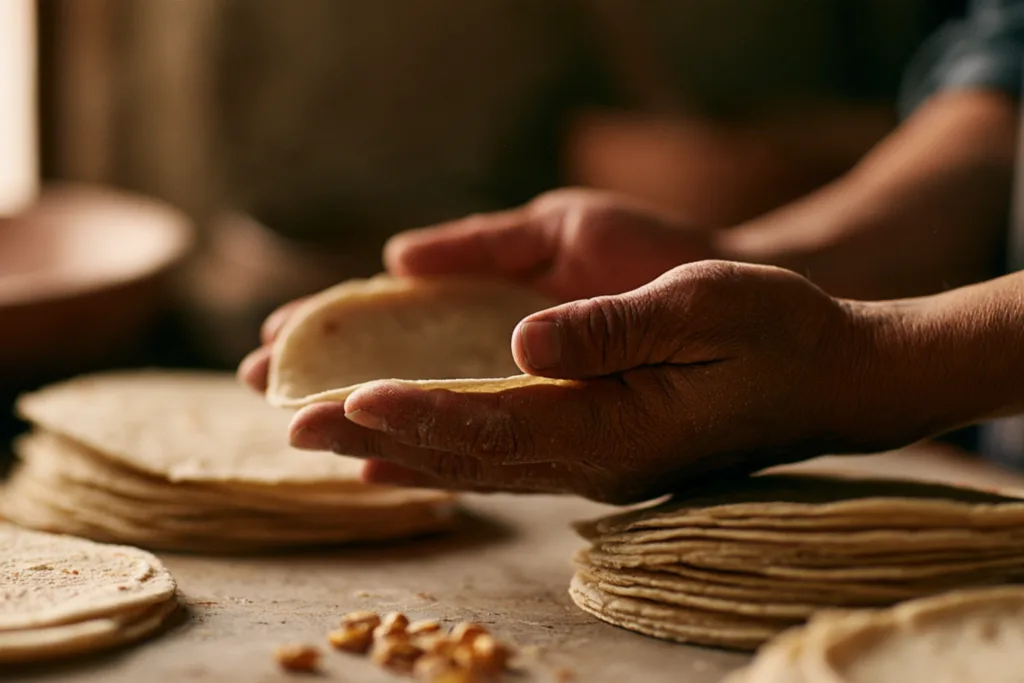
A corn tortilla isn’t trying to be bread.
Socca, made from chickpea flour, doesn’t need to justify the fact that it contains no wheat.
Polenta isn’t an incomplete version of something else.
Macarons owe their character not to what they lack, but to the almonds they contain.
These are foods with identities of their own.
And perhaps there’s something worth learning from that.
Expanding the way we eat doesn’t always require new ingredients.
Sometimes it simply means seeing familiar ones differently.
When limitations open up possibilities
Food restrictions are often described in terms of loss.
I can’t eat this.
I have to avoid that.
That’s no longer for me.
That reality is real. There’s no point pretending otherwise.
But it doesn’t have to be the whole story.
It can also take us beyond habits we had never thought to question.
Trying new ingredients. Understanding how they work. Exploring different combinations. Discovering textures we might never have found if we had simply carried on doing things the way we always had.
Not because a limitation is something to wish for.
But because creativity often appears when the usual answer no longer works.
What if, instead of trying to recreate what’s missing, we looked for ingredients, flavours and textures capable of creating something extraordinary in their own right?
This is one possible answer.
Not stopping at substitution.
But starting to think about the ingredient itself.
We don’t want an “almost the same” version
There’s a world of difference between creating something whose greatest achievement is that you’d never know it didn’t contain wheat and creating something people would choose again even if they could eat absolutely anything.
The second is much harder.
But it’s also much more interesting.
Because then the goal is no longer to compensate for something.
The goal becomes what it should always have been:
to make something genuinely delicious.
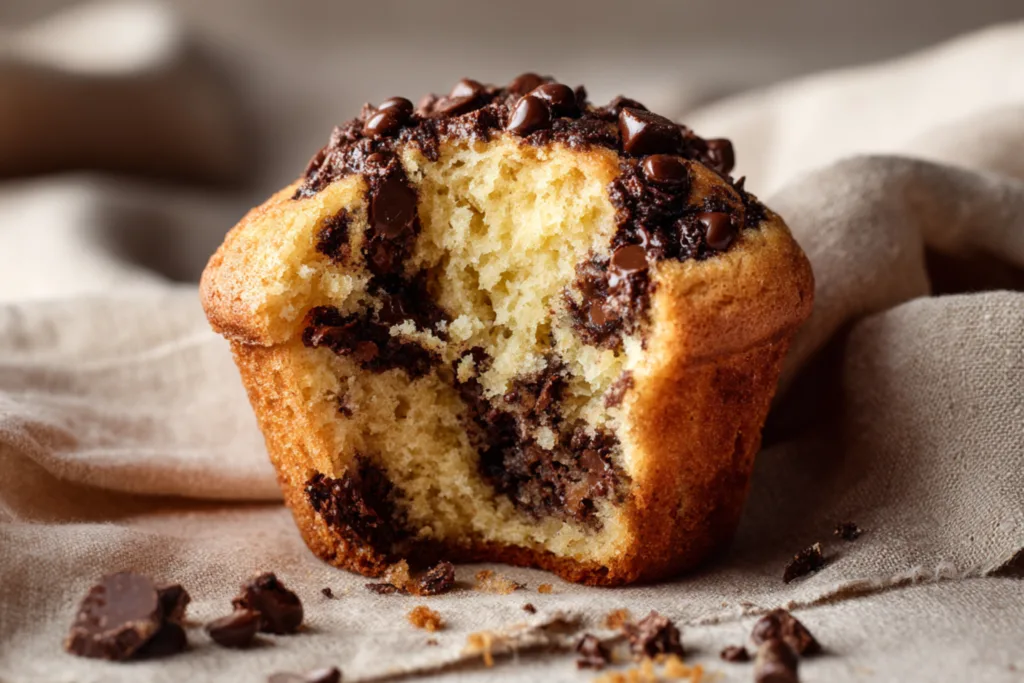
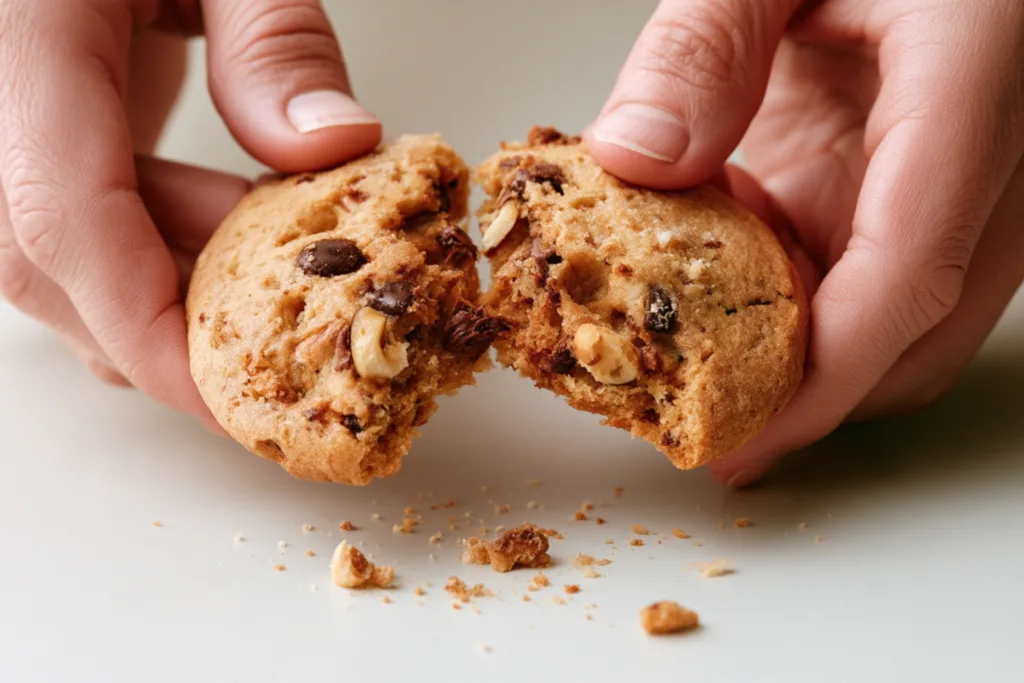
A biscuit can be extraordinary because of the combination of hazelnuts and chocolate.
A cake might get precisely the moisture and texture that make it special from almonds.
A seed might provide exactly the contrast a recipe needed.
We don’t have to hide these ingredients behind the things they’re supposed to replace.
We can let them take centre stage.
And when we do, something important happens.
Food stops being divided into the normal version and the version made for someone else.
It simply becomes food again.
A bigger repertoire
Perhaps that’s one of the most interesting things about changing the way we cook.
Our possibilities don’t have to shrink just because one ingredient can no longer be there.
They can grow.
More ingredients. More traditions. More flavours. More textures. More ways to enjoy food.
Because inclusion shouldn’t mean settling for a slightly inferior version of something that already existed.
It can mean discovering something we might never have thought to make before.
And perhaps we’ve spent too long calling everything that isn’t wheat an “alternative”.
Almonds, oats, rice, corn, hazelnuts, seeds.
They aren’t alternatives.
They’re ingredients.
And each one brings something different to the table.