From ancient grains to the ingredients of tomorrow. We’re so used to cooking with wheat flour that it’s easy to forget just how many other flours there are. Some have sustained entire communities for thousands of years. Others are familiar ingredients in our everyday cooking, although we may never have thought to use them in quite the same way. And some we’re only just beginning to discover. When I first started exploring gluten-free cooking, one of the things that surprised me most was the sheer variety of ingredients available. What initially seemed like a limitation soon became an invitation to experiment with flavours, ingredients and textures I’d barely encountered before. Because there’s so much more to flour than most of us realise. There are grains such as sorghum, millet and teff. Pseudocereals like buckwheat, quinoa and amaranth. Seeds that can do far more than add flavour, transforming the texture of a dough or batter. Nuts, pulses and even small tubers such as tiger nuts, all of which can be milled into flour. And it’s not simply the number of ingredients that’s exciting. It’s how wonderfully different they are. Around the world in grains Take rice. It’s one of the most familiar ingredients in our kitchens, yet how often do we stop to think about what we can do with rice flour? Its delicate, neutral flavour makes it easy to combine with other ingredients without overpowering them, which is particularly useful in baking. Corn is another good example. We know it well, but look at how it’s used around the world and a whole range of possibilities opens up. Mexican tortillas, Venezuelan arepas and Italian polenta show just how differently the same grain can be prepared. Other grains may be less familiar to us, despite having an extraordinarily long culinary history. Millet has been grown across Africa and Asia for thousands of years. It has a delicate flavour and can be cooked whole or ground into flour. Sorghum, a staple in many African and Asian communities, produces a mild flour with a naturally subtle sweetness. Then there’s teff, a tiny grain native to the Horn of Africa and deeply rooted in Ethiopian and Eritrean food culture. It’s traditionally used to make injera, the soft, slightly tangy flatbread that serves both as an accompaniment to a meal and as a way of picking up the food. I find it fascinating that ingredients we’re only now beginning to explore have been part of everyday life in other cultures for centuries. Sometimes, expanding our pantry simply means looking beyond the cooking traditions we know. The grains that aren’t really grains Buckwheat is one of my favourite examples. Despite its name, it isn’t related to wheat at all. It’s a pseudocereal with a distinctive, slightly nutty, toasted flavour that brings real character to a dish. In Brittany, it’s used to make the region’s famous galettes. In Japan, it’s the basis of soba noodles. Two very different culinary traditions, each with its own way of making the most of the same ingredient. Quinoa is much more familiar these days. You’ll find it in almost any supermarket, and most of us know it works well in salads or as a side dish. But it can also be milled into flour, toasted or puffed, and used in bread, biscuits and granola. Amaranth, with its long history as a food crop in the Americas, offers similar possibilities. Its tiny seeds can be cooked whole, puffed or ground into flour. Each has its own flavour, texture and way of behaving in a recipe. Far from being a drawback, that’s exactly what makes them so interesting to cook with. Seeds with a lot more to offer Some ingredients are so familiar that we rarely give them a second thought. Take flaxseed and chia. We tend to see them sprinkled over yoghurt, tossed into a salad or scattered across a loaf of bread. But soak them in water and something rather interesting happens: they absorb the liquid and develop a gel-like consistency that can help bind ingredients together and give structure to certain doughs and batters. It’s a simple transformation, but it completely changes how we can use them. Suddenly, a seed that once seemed like a finishing touch can become an essential part of the recipe itself. And that’s one of the things I love most about experimenting in the kitchen: realising that even the most familiar ingredients still have something new to teach us. Not all flour comes from grain Almond flour is probably one of the best-known examples. Ground almonds have been part of our baking traditions for centuries, bringing a richness, flavour and texture that would be difficult to achieve with cereal flour alone. But there’s plenty more to explore. Hazelnuts have a deep, distinctive flavour that works beautifully in baking. Chestnuts bring their own natural sweetness, along with a connection to a time when they were an essential food in many parts of Europe. And then there are tiger nuts. Here in Spain, we immediately associate them with Valencia and horchata, the traditional drink made from these small tubers. But tiger nuts aren’t actually nuts at all, and they can also be ground into flour. I love this example because it shows how much we can rediscover in ingredients that have been around us all along. We’re not talking about bringing something unfamiliar from the other side of the world into our kitchens. We’re simply looking at something deeply rooted in our own food culture in a different way. Pulses have a similar story. We’re used to cooking chickpeas, lentils and peas whole, but flours made from pulses have a long culinary history. Italian farinata, socca from the south of France and Indian pakoras are just a few examples of dishes traditionally made with chickpea flour. As well as introducing different flavours and textures, pulse flours can add plant protein and fibre to recipes,although their nutritional composition varies from one ingredient to another. And perhaps the
Sometimes, discovering a new way to cook means looking back. A cuisine shaped by travel When we start cooking without gluten, one of the first words that comes up is substitution. What can we use instead of flour? It seems like a perfectly reasonable question. But it also starts from a slightly strange assumption: that there is one original way of cooking, and everything else is an alternative. The history of our food tells a rather different story. Nearly three thousand years ago, ingredients, crops and ways of cooking were already moving around the Mediterranean. They travelled with people. They crossed the sea. They arrived somewhere new and, little by little, stopped being new. Almonds were among them. By the beginning of the first millennium BCE, almonds were already among the new crops arriving in the south of the Iberian Peninsula through the networks connecting the eastern and western Mediterranean. Over time, their cultivation spread to other regions. They were just one of many layers added over the centuries. The Phoenicians and other Mediterranean peoples brought new crops and new ways of growing, preparing and preserving food. Other influences followed. And each encounter added ingredients, techniques and customs to a cuisine that has never stopped changing. An ingredient that travelled from kitchen to kitchen Centuries later, Muslims, Sephardic Jews and Christians cooked alongside one another on the same peninsula for generations. They didn’t eat exactly the same things. Each community had its own customs, celebrations, prohibitions and ways of preparing food. But nor did they cook in isolated worlds. Ingredients travelled from one kitchen to another. So did techniques. Spices. Ways of preserving food. Sweets. Doughs. And the stories that went with them. And almonds became part of all of those culinary traditions. They were toasted. Ground. Mixed with honey and spices. Turned into pastes, sauces, drinks, fillings and sweets. And they stayed. So much so that today it is hard to imagine our food without them. Turrón. Marzipan. Tarta de Santiago. Mallorcan gató. Ajoblanco. And, of course, our Almond, Orange, and Cardamom Cookie. Recipes born in different places and at different times, all sharing an ingredient that has travelled and evolved with them over centuries. When recipes had to travel too And the journey didn’t end there. In 1492, the Sephardic Jews expelled from the Iberian Peninsula took their language, their customs and their way of cooking with them. Recipes crossed the Mediterranean once again. They reached the Ottoman Empire, among other places. There, that culinary tradition encountered new ingredients, flavours and customs, and continued to evolve. Centuries later, we can still see traces of that journey in the names and in the dishes themselves. The Instituto Cervantes in Istanbul describes, for example, how some dishes preserved by Sephardic communities bear a striking resemblance to recipes from the Iberian Peninsula: travados and mustuchudos recall Spanish pestiños and mostachones, while pandispaña is a sponge cake introduced into Turkish society by Sephardic Jews. The cooking had travelled with the people. And they had kept cooking. An alternative to what? Perhaps that’s why it feels a little strange to call almonds an alternative today. An alternative to what? Nobody eats a piece of turrón and thinks it’s missing wheat. Nor do we think marzipan is missing flour. A Mallorcan gató isn’t an incomplete cake. These foods are what they are precisely because of the almonds. When we grind almonds, they don’t behave like wheat. Nor should they. They naturally contain fat. They bring moisture. They create a different texture. Toast them and their flavour deepens. They can help keep a cake tender and produce results that would be completely different with other ingredients. They have a character of their own. And perhaps the problem begins when we stop seeing almonds for what they are and start seeing them only as something that can take the place of something else. Because then we stop asking what they can bring and start asking them to imitate something else. From substituting to discovering Perhaps one of the most interesting things cooking without gluten has taught us is precisely this. At first, we ask: What can I substitute for this? Over time, we start asking: What can I make with this? They are very different questions. The first tries to take us back to where we started. The second can take us somewhere new. Or, curiously, somewhere very old. Because when we open our cupboards, we find almonds, rice, maize, pulses, seeds, fruit, cocoa, spices… Ingredients that arrived at different times, from different places, and that today feel entirely our own. More ingredients, more possibilities Our food culture has never stood still. It has travelled. It has mixed with others. It has learned from them. It has absorbed new ingredients, techniques and customs. And made them its own. Then it has travelled again, carrying all of that with it. Perhaps that is one of the great riches of our food culture. And a good reason to stop thinking that cooking for more people means cooking with fewer possibilities. History seems to suggest precisely the opposite. The more ingredients we know, the more ways we have to cook. The almond is just one of them. And it has been here all along.
Cooking for someone with different dietary needs can feel limiting. Until you discover all the possibilities it opens up. There are recipes we make almost without thinking. We know which flour to use. How long a dough needs. Which ingredient adds moisture, which gives structure, which makes something crisp. Or perhaps we know none of that. We just know the recipe works. Until one day, someone sits down at our table and can’t eat one of those things. Suddenly, the recipe we know no longer works as written. We can see that as a problem. Or we can get curious. So what do we do now? For someone who loves cooking, that question can be the beginning of something surprisingly fun. For me, it certainly was. When the usual answer stops working Cooking involves a lot of repetition. We learn a technique, a combination, a proportion. We discover that it works and add it to our repertoire. But cooking is also about experimenting. What happens if I change this? What if I use that? How can I get this texture another way? What if, instead of trying to recreate the same recipe, I start again? Creativity in the kitchen often begins when we can no longer do things the way we always have. Because that’s when we have to look at ingredients again. Not as a list to follow, but as a set of possibilities. An almond stops being simply something we add to a cake and becomes moisture, fat, flavour and texture. A seed can add crunch. Oats can bring softness. Teff can deepen the flavour of cocoa. Buckwheat can add a depth of flavour that wasn’t there before. And little by little, we stop asking only what we can take away. We start asking what we can make. This is how cooking has always worked Cooking has never really been about having every possible ingredient at our disposal. We cook with what we have. With what grows nearby. What’s in season. What we can preserve. What we’ve learnt from the people who cooked before us. So much of the way we cook came about in exactly this way. Fermenting, drying, pickling, grinding, toasting, slow cooking. Finding ways to turn what was available into something extraordinary. Cooking is full of creative responses to particular circumstances. Not because a restriction is something to wish for. And not because anyone who cooks is obliged to turn it into an adventure. Simply because, when we love cooking, being faced with a new question can awaken something we know very well: the urge to experiment. And then new ingredients find their way into our kitchens Perhaps we buy chickpea, teff, millet or sorghum flour for the first time. Or we discover what happens when we toast hazelnuts before adding them to the dough. We begin to understand that two flours that seemed interchangeable can behave in completely different ways. We discover that a particular texture doesn’t necessarily depend on a single ingredient. We try. We get it wrong. We change the proportions. We try again. And sometimes something even more interesting happens. The recipe we only made because someone couldn’t eat the original turns out to be the one we prefer. It isn’t a copy. It isn’t the special version. We don’t need to explain what’s missing before we serve it. It’s simply a recipe worth keeping. Some discoveries are meant to be shared There are eight of us around a table. One person can’t eat gluten. We can make the usual dessert and find a second option for them. Sometimes that will be the best solution. And that’s absolutely fine. But we can also ask a different question: What if we made one extraordinary dessert that all eight of us could share? Not one that’s good for gluten-free. Not one whose main achievement is that everyone can eat it. One we would put in the middle of the table even if nobody had any dietary restrictions at all. Because it’s delicious. That small shift completely changes where we begin. We’re no longer thinking about what we need to make for that person. We’re thinking about what all of us would like to eat. One table, not two There’s a cake in the middle. Or some biscuits. Or a loaf of bread. Someone cuts a slice. Someone else takes a piece. Someone asks if there’s any left. Nobody asks which one is theirs. There isn’t one thing for everyone and something else set aside. There’s just food. One table, not two. It won’t always be possible, and it doesn’t have to be. Sometimes making different things is simply the most sensible thing to do. Generosity isn’t about turning every meal into an exercise in perfection. But when we cook in a way that allows more people to share the same thing, something lovely happens. And not only for the person who might otherwise have needed a separate option. The table becomes more interesting for everyone. Cooking for more people can expand our repertoire Perhaps that’s the paradox. At first, it feels as though we have fewer possibilities. An ingredient disappears. A familiar recipe no longer works. One door closes. But then we start looking, and others open. Ingredients we didn’t know.Techniques we’d never tried.Flavours we’d never combined.Recipes we probably would never have made. And suddenly, instead of having fewer options, we have more. In Not Everything Has to Be Wheat, we explored what happens when we stop seeing other ingredients simply as substitutes. Perhaps limitations can work in much the same way. Sometimes, cooking for someone else takes us somewhere we wouldn’t have gone on our own. And that’s where the discoveries begin. Because perhaps one of the loveliest things about cooking is precisely this: thinking we’re looking for a solution and finding a new possibility instead.
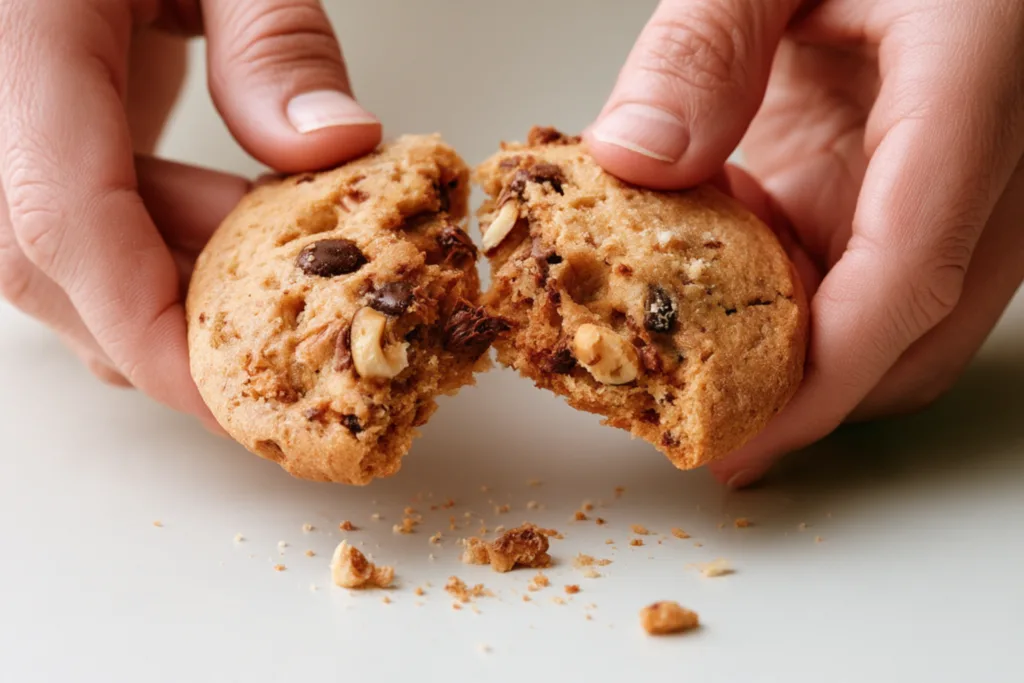
Living without wheat can be a necessity. Discovering everything else can be an opportunity. For centuries, we’ve treated one possibility as though it were the only one. Wheat has shaped some of the foods we love most: bread, pasta, cakes, biscuits. It is deeply woven into our food culture, our kitchens and the way we think about what we eat. So much so that we’ve come to see it as the natural starting point, almost without asking why. And yet, there has always been so much more. Almonds, hazelnuts, oats, rice, corn, buckwheat, millet, quinoa, sorghum, teff, tapioca, potatoes, seeds, pulses. Ingredients with flavours, textures and possibilities of their own. They don’t need to resemble wheat to earn their place in our kitchens. Perhaps we just needed to start looking at them differently. When everything else becomes an alternative There’s something curious about the way we talk about ingredients. We talk about almond flour instead of wheat flour. Oats instead of wheat. Buckwheat as a substitute for wheat. Almost without noticing, we’ve created a hierarchy. First comes the ingredient we consider normal. Then comes everything else. The substitutes. The alternatives. The versions made for people who can’t eat the usual thing. But an almond was never meant to replace a grain of wheat. Neither were oats. Or rice. Or corn. Or hazelnuts. Each has its own flavour, its own texture and its own way of behaving in the kitchen. Perhaps we start losing possibilities precisely when we ask them to be something else. Cooking with what’s there, not what’s missing When we have to remove an ingredient from a recipe, our first instinct is often to recreate exactly what we had before. How do I make this cake without wheat? How do I get the texture I want from this biscuit? How do I replace what’s missing? It’s understandable. And often necessary. But it doesn’t have to be the end of the creative process. Because once we’ve asked how to replace it, we can ask a much more interesting question: What can I create with these ingredients that I couldn’t create in quite the same way with wheat? Almonds bring moisture, density and an almost buttery richness. Hazelnuts add depth and an unmistakable toasted flavour. Oats can bring softness and a comforting texture. Corn has sweetness, character and an identity all its own. Buckwheat — which, despite its name, isn’t wheat at all — has a distinctive, slightly earthy flavour. Rice brings lightness. Seeds can transform a texture completely. And pulses open up even more possibilities. When we start looking at ingredients this way, we stop cooking only in response to what’s missing. We start cooking for what’s possible. Wheat was never the only way There’s nothing new about this idea. We only need to look beyond our own corner of the culinary world. For centuries, food cultures around the world have cooked with rice, corn, cassava, chickpeas, lentils, nuts, seeds and other grains without thinking of what they made as an alternative version of anything. A corn tortilla isn’t trying to be bread. Socca, made from chickpea flour, doesn’t need to justify the fact that it contains no wheat. Polenta isn’t an incomplete version of something else. Macarons owe their character not to what they lack, but to the almonds they contain. These are foods with identities of their own. And perhaps there’s something worth learning from that. Expanding the way we eat doesn’t always require new ingredients. Sometimes it simply means seeing familiar ones differently. When limitations open up possibilities Food restrictions are often described in terms of loss. I can’t eat this. I have to avoid that. That’s no longer for me. That reality is real. There’s no point pretending otherwise. But it doesn’t have to be the whole story. It can also take us beyond habits we had never thought to question. Trying new ingredients. Understanding how they work. Exploring different combinations. Discovering textures we might never have found if we had simply carried on doing things the way we always had. Not because a limitation is something to wish for. But because creativity often appears when the usual answer no longer works. In The Generous Table, we asked a question: What if, instead of trying to recreate what’s missing, we looked for ingredients, flavours and textures capable of creating something extraordinary in their own right? This is one possible answer. Not stopping at substitution. But starting to think about the ingredient itself. We don’t want an “almost the same” version There’s a world of difference between creating something whose greatest achievement is that you’d never know it didn’t contain wheat and creating something people would choose again even if they could eat absolutely anything. The second is much harder. But it’s also much more interesting. Because then the goal is no longer to compensate for something. The goal becomes what it should always have been: to make something genuinely delicious. A biscuit can be extraordinary because of the combination of hazelnuts and chocolate. A cake might get precisely the moisture and texture that make it special from almonds. A seed might provide exactly the contrast a recipe needed. We don’t have to hide these ingredients behind the things they’re supposed to replace. We can let them take centre stage. And when we do, something important happens. Food stops being divided into the normal version and the version made for someone else. It simply becomes food again. A bigger repertoire Perhaps that’s one of the most interesting things about changing the way we cook. Our possibilities don’t have to shrink just because one ingredient can no longer be there. They can grow. More ingredients. More traditions. More flavours. More textures. More ways to enjoy food. Because inclusion shouldn’t mean settling for a slightly inferior version of something that already existed. It can mean discovering something we might never have thought to make before. And perhaps we’ve spent too long calling everything that isn’t wheat an
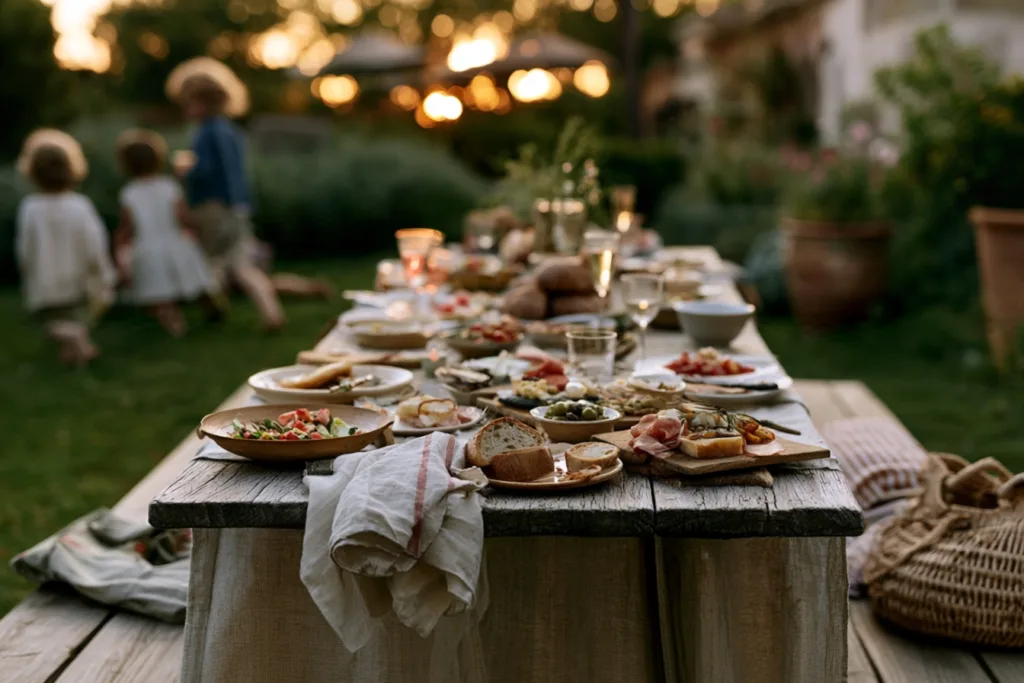
Some tables are full of food and still, somehow, not quite generous. They’ve been laid with care. Someone has spent hours cooking. Dishes keep arriving, conversations stretch into the afternoon, and the people we love are gathered around us. Then someone asks a question. —“Does this have gluten in it?” Or dairy. Or nuts. Or eggs. For a moment, everything stops. Someone checks with the kitchen. A label is found. Nobody can quite remember what went into the sauce. And then comes the sentence, always said with the best of intentions: “Don’t worry. We made something else for you.” It seems like a small thing. Perhaps it isn’t. Hospitality begins before anyone arrives We tend to think of hospitality as the moment we open the door: a full house, a beautiful table, plenty of food. But caring for people starts much earlier. It starts at the market. When we plan the menu. When we choose our ingredients. When we think about who is coming for dinner. There is one way of cooking that begins with deciding what we want to make, then working out the exceptions afterwards. And there is another that begins with a different question: What could we make that everyone would genuinely want to eat? It sounds like a subtle difference. It changes the whole table. Because we are no longer starting with restrictions. We are starting with people. “This one is for you” There is a great deal of kindness in making a separate dish for someone. That matters. Anyone who cooks something different for a guest who cannot eat what everyone else is having is trying to look after them. They have probably gone to more trouble, not less. But there is a difference — a surprisingly profound one — between hearing: “This one is for you.” and: “You can have anything.” The first says: we thought of you. The second says: you belong here. You don’t need to work out which plate is yours. You don’t need to watch which spoon has been used. You don’t need to explain why you eat differently. You don’t have to sit there while everyone else shares something you cannot taste. You simply eat. And for a while, food stops drawing attention to the thing that makes you different. Eating is also about sharing Food has never been just fuel. We break bread. We taste from each other’s plates. We cook recipes someone once taught us. We put candles on cakes. We bring food when somebody is ill. We ask, “Have you eaten?” when what we really mean is, “Are you all right?” Food has an extraordinary ability to say things for us. I was expecting you. I thought of you. Stay a little longer. Perhaps that is why being left out when food is being shared can matter far more than a list of ingredients might suggest. It isn’t simply about being able to eat. It is about being able to take part. A different kind of abundance For a long time, we have associated generosity with abundance. More dishes. More platters. More choice. But perhaps there is another way to think about abundance. A table can offer ten desserts and still leave one person asking which one they are allowed to eat. Or it can offer one that everybody reaches for. Which table is more generous? Generosity doesn’t always mean adding more. Sometimes it means needing fewer exceptions. Cooking in a way that allows different people to come together around the same dish. That doesn’t mean everyone must eat exactly the same thing. Nor does it mean every dietary need can always be accommodated by a single recipe. It means something much simpler: thinking about who will be sitting around the table before deciding what goes on it. Food that doesn’t feel like a compromise There is something else that matters. Including one person should not require everyone else to give up pleasure. Because the moment it does, inclusion comes with a price. “It’s really good for gluten-free food.” “You can hardly tell there’s no dairy in it.” “Para ser saludable, está bastante bien.” Son frases aparentemente inocentes. Pero todas parten de la misma expectativa: si eliminamos algo, necesariamente tendremos que conformarnos con menos. ¿Y si la pregunta estuviera mal planteada? ¿Y si en lugar de intentar reproducir aquello que falta buscáramos ingredientes, sabores y texturas capaces de crear algo extraordinario por sí mismos? Almendras. Avellanas. Avena. Cítricos. Cacao. Aceite de oliva. Semillas. Especias. La despensa está llena de posibilidades. Perhaps cooking for more people doesn’t have to narrow our possibilities. Perhaps it can expand them. Making room at the table There is something deeply Mediterranean about making room. Moving a chair. Finding another plate. Cutting slightly smaller slices so there is enough to go around. Improvising. The table stretches because someone else has arrived. We love that image. But perhaps making room today means something more. It means thinking differently about food. Creating recipes that don’t begin by asking what needs to be removed, but by asking how many people they might bring together. Food nobody eats out of obligation. Food nobody has to explain themselves for. Food that looks beautiful, because beauty is part of pleasure too. And, above all, food that tastes genuinely good. Because truly inclusive food shouldn’t need anyone to make allowances for it. We should simply want to eat it. All of us. Before we sit down We may never be able to create a table where absolutely everyone can eat absolutely everything. A beautiful idea does not need an impossible promise attached to it. But we can change where we begin. We can stop thinking about the dish first and the person who cannot eat it afterwards. We can cook with the whole table in mind. We can understand that a dietary restriction belongs to one person, but sharing belongs to everyone. And perhaps we can remember something we have known all along: Cooking for someone is one
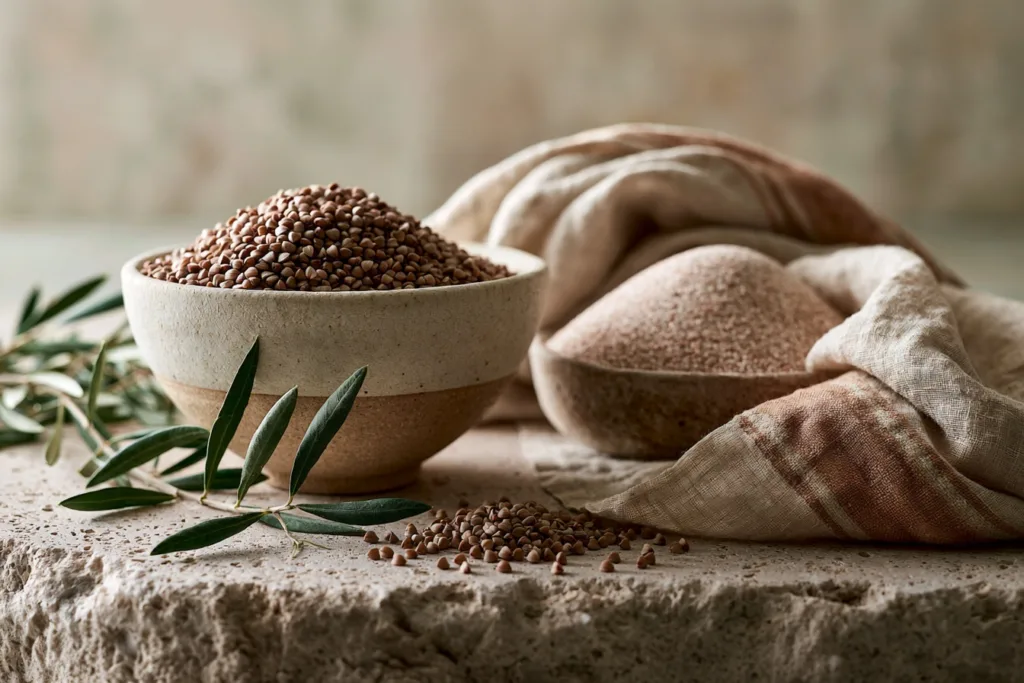
One of the most misunderstood ingredients… and one of the most rewarding Few ingredients have suffered quite so much from their name. Because despite being called buckwheat, it isn’t wheat. And it doesn’t contain gluten. In fact, it isn’t even a cereal. Buckwheat is what’s known as a pseudocereal, much like quinoa. It has been cultivated across Asia and Europe for centuries, long before anyone talked about gluten-free diets, and has always held a respected place in traditional cooking. It may not be the best-known grain. But it is certainly one of the most remarkable. An ingredient with real character Some ingredients quietly blend into the background. Buckwheat isn’t one of them. It has a distinctive toasted flavour with gentle nutty notes that bring depth and complexity to baking. That’s exactly why we love it. It doesn’t try to imitate wheat. It celebrates being something entirely different. Why we love it At Milola, every ingredient has to earn its place. Buckwheat does so in many ways. Naturally gluten-free: Buckwheat is naturally gluten-free, making it an excellent choice for people living with coeliac disease or anyone wanting to enjoy a broader variety of grains. Rich in fibre: Its natural fibre supports healthy digestion and helps keep you feeling satisfied for longer. A complete plant protein: Buckwheat is unusual among plant foods because it naturally contains all nine essential amino acids. That makes it a particularly valuable source of plant-based protein within a balanced diet. Naturally rich in minerals and antioxidants: Buckwheat provides important minerals including magnesium, iron and copper. It also contains rutin, a naturally occurring antioxidant that has been widely studied for its potential role in supporting cardiovascular health. Much more than a gluten-free alternative For many years, buckwheat has been treated simply as a replacement for wheat. We think it deserves much more than that. Its value doesn’t come from what it lacks. It comes from everything it brings. Flavour. Texture. Character. And a culinary identity entirely its own. How to cook with buckwheat Buckwheat is remarkably versatile. You’ll find it both as whole groats and as flour. It’s wonderful in: Artisan breads. Cookies. Cakes. Pancakes. Crêpes. Warm salads. Soups. Grain bowls. In Brittany, it’s the star ingredient of traditional savoury galettes. In Japan, it is the main ingredient in soba noodles. Across Eastern Europe, it has been enjoyed for generations as an everyday staple. Few ingredients have travelled so widely. Why we use buckwheat at Milola Because it brings exactly what we’re looking for. A delicate texture. A rich, distinctive flavour. And the kind of complexity that makes our recipes taste like something far more interesting than “gluten-free cookies.” We’re not trying to recreate traditional recipes without wheat. We want to create other new ones that are just as good (or better). Buckwheat helps us do exactly that. A small celebration of buckwheat Sometimes the finest ingredients are the ones that never try to be something else. Buckwheat doesn’t try to be wheat. And perhaps that’s its greatest strength. It has nourished people for thousands of years. It has travelled across cultures and cuisines. And it reminds us that true culinary diversity often begins with something beautifully simple. At Milola, buckwheat is part of our recipes because we believe great cooking isn’t about replacing. It’s about discovering.
One of the world’s most familiar grains… and one of its most overlooked Some ingredients hardly need introducing. Rice is certainly one of them. For thousands of years, it has nourished cultures across every continent. Yet one version of it often receives far less attention than it deserves. Brown rice. And we believe it deserves considerably more prominence. Not because it’s fashionable. But because it preserves much of what makes the grain so valuable in the first place. What makes brown rice different? The difference is surprisingly simple. White rice is produced by removing the outer layers of the grain, brown rice keeps them. That means it retains the bran and the germ, where much of the fibre, vitamins, minerals and naturally occurring antioxidants are found. Although both come from exactly the same grain, their nutritional profiles are remarkably different. Why we love it At Milola, we never choose an ingredient for just one reason. It has to contribute flavour. Texture. And purpose. Brown rice does all three. Naturally gluten-free. Brown rice is naturally gluten-free, making it an excellent choice for people living with coeliac disease or anyone looking to enjoy a wider variety of grains. Rich in fibre. Because it keeps its bran layer, brown rice contains considerably more fibre than white rice. That supports healthy digestion and helps you feel satisfied for longer. Slow, steady energy. Like many whole grains, brown rice releases its carbohydrates more gradually than refined grains. The result is a steadier source of energy throughout the day. Naturally rich in vitamins and minerals. Brown rice provides important minerals including magnesium, phosphorus and selenium, as well as B vitamins that support many essential metabolic functions. Naturally occurring antioxidants. The bran also contains antioxidant compounds that help protect the body’s cells from oxidative stress. A simple flour with extraordinary potential It’s easy to assume the most sophisticated ingredients are always the most interesting. We don’t think that’s true. A beautifully milled brown rice flour can be something rather special. Especially when it comes from exceptional grain and is produced with care. The brown rice flour we use at Milola comes from Valencia, on Spain’s Mediterranean coast. Whenever possible, we choose ingredients that are both exceptional in quality and close to home. Every ingredient in our recipes has earned its place. Why we use brown rice in our cookies Because it contributes far more than structure. It creates a delicate texture. A gentle flavour that allows the other ingredients to shine. And a nutritional profile that reflects the way we believe food should be made. We’re not trying to make “gluten-free products.” We’re trying to create recipes so delicious that gluten simply stops being the most interesting thing about them. In defense of brown rice For many years, brown rice has been seen mainly as “healthy food.” We think it deserves a better reputation. It’s remarkably versatile. Elegant in its simplicity. Nutritious. And capable of bringing real character to a recipe when treated with care. That’s why it appears in so many of our bakes. Because the finest ingredients aren’t always the rarest ones. Sometimes they’re the ones we’ve known all our lives… We simply needed to learn to see them differently.
The story behind Milola By Manuela García, Founder of Milola. “I dreamed of creating a place where no one would ever feel left out of the table.” Some moments quietly change the course of your life. Mine happened almost thirty years ago, while I was living in London. For as long as I could remember, I’d lived with fragile health. Allergies. Digestive problems. Constant discomfort. Medication. It had become so normal that I assumed it was simply part of who I was. Until one doctor asked a different question. And changed the way I ate forever. He removed gluten, dairy and several other foods from my diet. Almost overnight, my health improved. But something else disappeared too. A great deal of the joy I had always found in food. When food stops being about sharing Today it’s difficult to imagine what that meant. There was no Google. No social media. No food blogs. Hardly any gluten-free products. The tiny free-from shelf at the supermarket was disappointing at best. At the time, I was working in a beautiful French pâtisserie in Chelsea. Every morning we prepared some of the most exquisite pastries I’d ever seen. And I couldn’t eat almost any of them. That’s when I realised something I’ve never forgotten. Food is never just food. It’s celebration. Family. Friendship. Culture. Travel. Care. And when you can’t fully take part in those moments, it doesn’t simply feel like you’ve changed your diet. It feels as though you’ve been left out of something much bigger. Starting again I became obsessed with learning. I spent hours in libraries trying to understand what gluten actually was. I wandered through London’s markets discovering ingredients I’d never encountered before. I realised the world was so much bigger than wheat. Sorghum in Indian cooking. Millet and quinoa in Latin American cuisine. Teff in Ethiopian food. Buckwheat. Tapioca. Psyllium. Then came the experiments. There were plenty of failures. More than I can count. But slowly, something began to change. The recipes no longer felt like substitutes. They were simply… delicious. The idea that became Milola Eventually I realised I wasn’t trying to make gluten-free food. I was trying to recover something much more important. The feeling of sitting around a table without feeling different. Without explaining yourself. Without compromising. Without settling for a second-rate version of what everyone else was enjoying. That’s how Milola began. Not as a cookie brand. Not as a bakery. But as an idea. To create a place where everyone belongs around the table. Mediterranean at heart I was born on the Mediterranean coast. In a family where every meaningful conversation happened around the table. Where cooking was an act of love. And sharing food was simply how we cared for one another. That’s why I’ve never believed we have to choose between wellbeing and pleasure. I believe the two belong together. It’s the question that still guides every recipe we create. How can something taste genuinely wonderful and also make you feel good? From one small bakery to thousands of tables For many years that idea lived inside a small bakery in Mataró, near Barcelona. Something extraordinary happened there. Every weekend, families travelled from all over Spain. They didn’t come just to buy a cake. They came because, for a few hours, they could stop asking what they were allowed to eat. They could simply enjoy being together. That experience confirmed everything we believed. Today our products are made in a much larger bakery so they can reach thousands of homes. But the idea remains exactly the same. What Milola stands for We don’t believe anyone should have to choose between health and pleasure. Between nourishment and indulgence. Between taking care of themselves and celebrating life. We believe great food can bring all of those things together. Most of all, we believe no one should ever feel like the odd one out around the table. Because being excluded from a generous table is, in many ways, being excluded from life itself. And that’s still the reason we switch on our ovens every single morning.
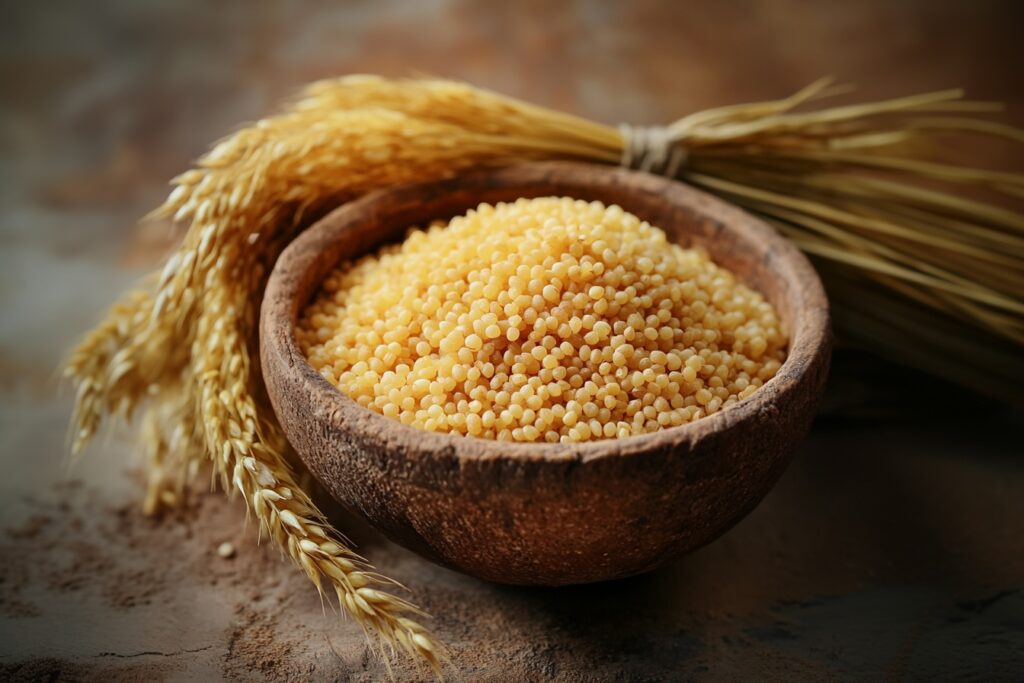
A tiny grain with thousands of years of history Ask someone to name a few grains and you’ll probably hear the same answers. Wheat. Rice. Corn. Oats. Maybe quinoa. But there’s another grain that has nourished millions of people for thousands of years and still remains surprisingly unfamiliar to many of us. It’s called millet. And we think it deserves far more attention than it gets. An old favourite in many parts of the world Millet has been cultivated across Africa and Asia for thousands of years. For generations, it has been an everyday staple for one simple reason: It’s nourishing. Resilient. Versatile. And remarkably enjoyable to cook with. It may not be the world’s most famous grain. But it’s certainly one of its oldest. Why we love it At Milola, every ingredient earns its place. Millet ticks many of the boxes we look for. Naturally gluten-free Millet is naturally gluten-free, making it an excellent choice for people with coeliac disease or anyone looking to bring greater variety to the grains they eat. Rich in nutrients It provides complex carbohydrates, fibre, plant protein and important minerals such as magnesium, phosphorus and iron. It also contains B vitamins and naturally occurring antioxidants. It’s not a miracle food. But it is a genuinely nutritious ingredient that deserves a place in a balanced diet. Easy to digest Its fibre supports healthy digestion and contributes to a healthy gut. Like many whole grains, it also helps keep you feeling satisfied for longer. Slow, steady energy Compared with many refined grains, millet has a relatively low glycaemic index. That means it releases energy more gradually, helping to avoid dramatic spikes in blood sugar after meals. Better for the planet too There’s another reason we’re so fond of millet. It’s an incredibly resilient crop. It needs less water than many other grains. It copes well with drought. And it thrives in places where more demanding crops struggle. As agriculture adapts to a changing climate, traditional grains like millet are becoming increasingly relevant once again. By incorporating millet into our cookies, we also support more environmentally friendly agriculture. How to cook with millet If you’ve never cooked millet before, you’ll probably be surprised by how versatile it is. Try it in: Warm salads. Grain bowls. Soups. Stews. Porridge. Veggie burgers. You can cook it much like rice or quinoa. Its flour also works beautifully in gluten-free breads, cakes and baking. Why we use millet at Milola Because we like our recipes to taste good. Because we want every ingredient in our recipes to contribute something meaningful. Millet brings flavour. A delicate, tender texture. And a unique personality that combines very well with other Mediterranean ingredients. We’re not trying to imitate wheat. We’re far more interested in discovering everything other grains have to offer. A small defence of millet For a very long time we’ve expected one grain to do almost everything. Bread. Pasta. Flour. Cookies. Pastries. Perhaps it’s time to rediscover the extraordinary diversity that has always existed. Not to replace one grain with another. But to welcome more variety back to our tables. Millet has nourished people for thousands of years. We’re delighted that it can now become part of ours too.
-10%
UNLOCK A 10% DISCOUNT ON YOUR FIRST PURCHASE!
Enter your email address to receive the discount coupon
in your inbox right away. You'll also receive exclusive offers and content
available only to subscribers.